
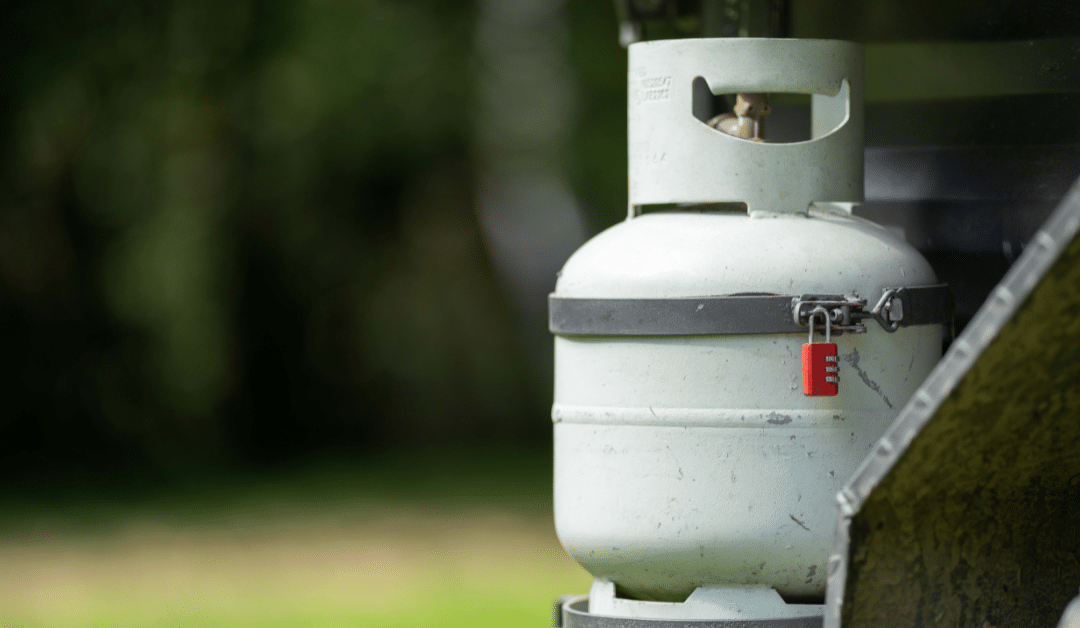
Safety is always a top priority when it comes to home energy systems. Propane is widely recognized as a clean, efficient, and dependable fuel source, but like any energy system, it relies on properly functioning components. One of the most important parts of a propane system is the propane regulator.
Understanding how this device supports safe fuel flow helps homeowners feel confident about their propane setup. When paired with professional tank installation and consistent propane delivery, the propane regulator plays a vital role in maintaining steady, controlled energy use throughout the home.
What a Propane Regulator Does
At its core, a propane regulator controls gas pressure as propane moves from the storage tank into the home’s fuel lines. Propane is stored under pressure inside the tank. That pressure must be reduced before it can safely reach appliances.
The propane regulator automatically lowers and stabilizes tank pressure to a usable level. Without this control, propane would enter the system at unsafe pressures. This consistent regulation protects appliances, supports efficient combustion, and maintains safe operation.
By managing pressure carefully, the propane regulator ensures that fuel delivery remains smooth and predictable.
Why Pressure Control Matters for Safety
Propane systems are engineered to operate within specific pressure ranges. Too much pressure can strain equipment, while too little pressure may affect performance.
The propane regulator maintains balance by adjusting fuel flow in response to system demand. As appliances use propane, the regulator responds by allowing the correct amount of fuel to pass through.
This continuous adjustment keeps the system stable and helps prevent pressure fluctuations that could interfere with normal operation.
Location and Visibility of the Regulator
In most residential systems, the propane regulator is mounted near the tank connection point. It may also be installed in stages, depending on system size and layout.
Because it is an exposed component, homeowners should be aware of its condition and placement. Keeping the area around the tank clear of debris supports proper airflow and allows the propane regulator to function without obstruction.
Routine visual awareness helps homeowners ensure that nothing interferes with fuel flow or tank connections.
The Importance of Proper Tank Installation
Safe operation begins with professional tank installation. Proper positioning, secure connections, and stable mounting all contribute to reliable performance.
When tanks are installed correctly, the propane regulator can maintain consistent output without strain. Professional installation helps ensure that the entire propane system operates as intended.
Delaware Propane provides professional tank installation to support safe and dependable propane systems across Delaware.
Weather and Environmental Considerations
Outdoor conditions can influence propane systems. Cold weather affects propane vaporization, while heavy rain or snow may impact visibility and access to equipment.
The propane regulator is designed to handle changing environmental conditions. However, keeping the area around the tank clear of snow, ice, and debris helps maintain proper airflow and accessibility.
Homeowners should ensure that landscaping, fencing, or stored items do not block or crowd the regulator area.
Recognizing Signs of Pressure Irregularities
While the propane regulator works automatically, homeowners should remain aware of overall system performance. Consistent heat output and stable appliance operation are signs that fuel flow is balanced.
If performance changes unexpectedly, it is important to consult a qualified propane professional rather than attempting adjustments. Regulators are calibrated components and should not be modified without proper expertise.
Safe systems depend on correct setup and professional oversight.
The Role of Reliable Propane Delivery
Fuel levels also affect system stability. When propane levels become very low, internal tank pressure may fluctuate.
Reliable propane delivery supports consistent pressure by maintaining adequate fuel supply. Keeping tanks filled according to usage patterns helps the propane regulator perform its job effectively.
Delaware Propane offers dependable propane delivery schedules that align with seasonal demand, helping homeowners maintain uninterrupted service.
Avoiding DIY Adjustments
It can be tempting for homeowners to inspect or adjust visible components of their propane system. However, the propane regulator is a precision device that should only be handled by trained professionals.
Attempting to modify pressure settings or connections without proper knowledge may affect system safety. If there are concerns about performance, contacting a propane provider ensures the system is evaluated correctly.
Professional oversight supports both safety and efficiency.
Indoor and Outdoor Applications
Propane systems often supply fuel to both indoor and outdoor appliances. Regardless of application, consistent pressure control is essential.
The propane regulator ensures that fuel flows at the appropriate rate whether it is supporting indoor heating, cooking, or outdoor features. Stable pressure allows appliances to operate smoothly across a range of uses.
Maintaining clear access to equipment and scheduling regular propane delivery supports overall system reliability.
Long-Term System Awareness
Homeowners do not need to be technical experts to maintain safe propane systems. Simple awareness goes a long way. Periodically checking that tank connections are secure, the surrounding area is clear, and fuel levels are adequate helps ensure continued performance.
The propane regulator works quietly in the background, but its role in safety is significant. By understanding its purpose and supporting proper installation and fuel supply, homeowners contribute to dependable energy use year-round.
Why Professional Installation Matters
Every propane system is unique. Tank size, household demand, and layout all influence how the system is configured.
Professional tank installation ensures that the propane regulator is properly positioned and matched to system requirements. Correct installation helps prevent unnecessary strain and supports consistent fuel pressure from the start.
Working with a trusted propane provider gives homeowners confidence that their system meets safety expectations.
Using Propane Efficiently
A propane regulator is one of the most important safety components in a residential propane system. By controlling pressure and stabilizing fuel flow, it allows propane to be used safely and efficiently throughout the home.
Understanding basic safety principles, maintaining clear access to equipment, and relying on professional tank installation all support reliable system performance. When combined with consistent propane delivery, homeowners can enjoy dependable warmth and energy use with peace of mind.
Stay up to date with the latest at Delaware Propane by following us on Facebook.