
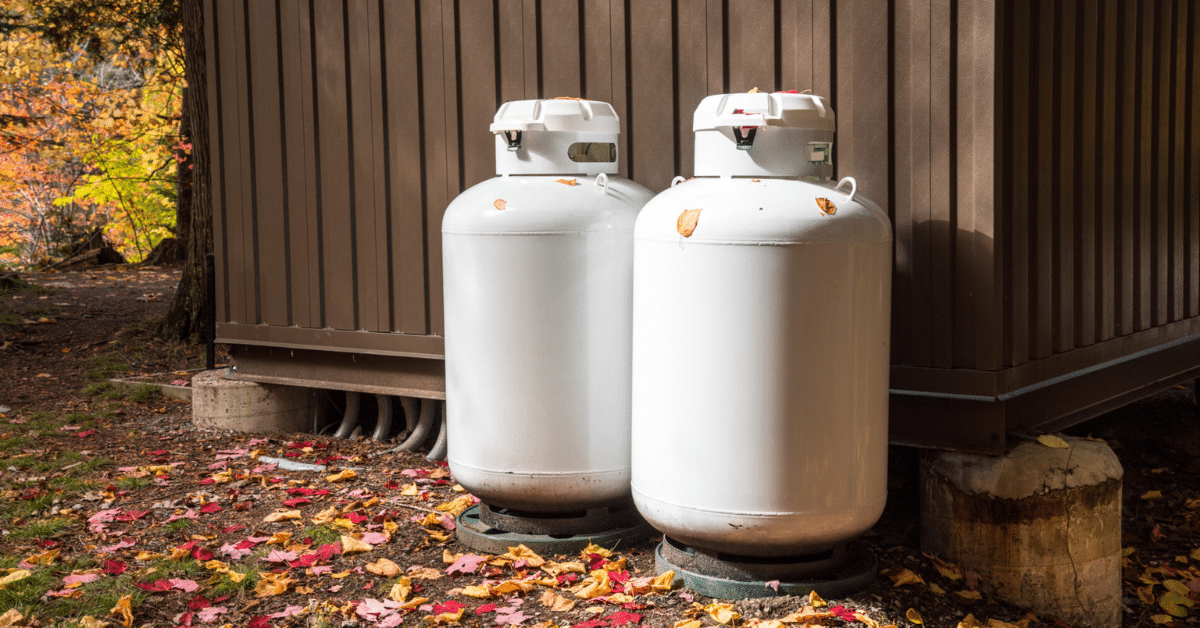
For homeowners who rely on propane, the tank located outside the home is an important part of maintaining a dependable fuel supply. It holds the propane used for compatible heating systems, water heaters, cooking appliances, fireplaces, generators, and other household equipment. While the tank may spend most of its time in the background, understanding a few basic principles can help homeowners manage their propane supply more confidently.
Proper propane tank storage involves more than simply having a tank somewhere on the property. Location, accessibility, surrounding vegetation, weather conditions, fuel levels, and general safety awareness all matter. Homeowners should also understand the importance of keeping the tank accessible so propane deliveries can be completed safely and efficiently.
Whether you recently purchased a home that uses propane or have relied on it for years, learning the basics can help you prepare for every season.
Understanding Residential Propane Tanks
Residential propane is delivered to a storage tank located on the homeowner’s property. The propane remains there until it is needed by compatible household equipment.
Residential tanks are available in different capacities because every household has different fuel requirements. A home that uses propane primarily for a fireplace may have very different needs from a property using propane for heating, hot water, cooking, and backup power.
The appropriate tank and system configuration for a particular property should be determined by qualified professionals according to applicable requirements. Delaware Propane’s role is providing dependable residential propane delivery rather than installing or servicing propane tanks.
Once a system is in place, homeowners can focus on monitoring their fuel supply and maintaining clear access for deliveries.
Above-Ground and Underground Propane Tanks
One of the most noticeable differences between residential propane systems is whether the tank is above or below ground.
Above-ground tanks remain visible on the property. Because the tank is exposed, homeowners can generally see the surrounding area and easily recognize when vegetation, snow, outdoor furniture, or other objects begin interfering with access.
Underground tanks are largely concealed beneath the ground, with certain components remaining accessible from the surface. Some homeowners prefer this configuration because less of the tank is visible.
Both configurations require careful planning and professional installation. Homeowners should never attempt to relocate, modify, disconnect, or alter a propane tank themselves.
Understanding the type of system on your property is an important first step in learning about propane tank storage and delivery access.
Why Tank Location Matters
Propane tanks cannot simply be placed anywhere a homeowner prefers. Their location must account for applicable safety requirements, property features, access, and the home’s propane system.
Qualified professionals determine appropriate placement based on the specific property and relevant requirements.
From a homeowner’s perspective, one of the most important considerations after installation is maintaining access to the existing tank. A location that was easy to reach when the system was first installed can become obstructed over time as landscaping grows or homeowners make changes to the yard.
Decks, fences, sheds, gardens, play equipment, parked vehicles, and other additions can affect access around the property.
Before making major changes near an existing propane system, homeowners should consider how those changes could affect safe access and consult the appropriate professionals when necessary.
Keep the Tank Area Accessible
Reliable residential propane delivery depends on safe access to the tank.
Delivery personnel need to be able to reach the appropriate tank components without navigating unnecessary obstacles. Homeowners can help by keeping pathways and the surrounding area clear.
This becomes especially important when landscaping changes throughout the year. Shrubs can grow larger, weeds can become dense, and fallen branches may block previously open areas.
Good propane tank storage practices include regularly looking at the surrounding space and making sure ordinary yard maintenance hasn’t created an access problem.
Gates along the access route should also be available when a delivery is expected. If pets use the yard, homeowners should make sure they are safely secured away from the delivery area.
Be Careful When Landscaping Around the Tank
It’s understandable that homeowners may want to make a visible propane tank blend more naturally into their landscaping. However, appearance should never interfere with safety or accessibility.
Plants and other landscaping features should not prevent access to the tank or its components. Dense vegetation can also make it more difficult to notice changes around the tank.
Before planting shrubs, installing fencing, or making other permanent landscaping changes near propane equipment, homeowners should seek appropriate guidance regarding safe clearance and access requirements.
Never attach decorations, structures, or other items directly to propane equipment.
Landscaping can improve the appearance of a yard, but the propane system should remain easy for qualified personnel and delivery professionals to access.
Preparing for Fall and Winter
Fall is an excellent time for homeowners to look over the area surrounding their propane tank.
Leaves, branches, and other seasonal debris can accumulate around outdoor equipment. Taking care of these issues before winter can make the property easier to navigate once snow and ice arrive.
Fall is also a good time to check the propane gauge and think about upcoming heating needs. A household that uses relatively little propane during summer may experience a substantial increase in consumption once its heating system begins operating regularly.
Combining seasonal yard preparation with fuel planning makes propane tank storage easier to manage as colder weather approaches.
Instead of waiting for the first major cold spell, homeowners can enter winter knowing the tank is accessible and their fuel level has been checked.
Managing Snow and Ice Around Your Tank
Winter weather can create additional challenges for propane households.
Heavy snowfall may cover pathways leading to outdoor equipment. Ice can make walking surfaces hazardous, while snowbanks created by plows or shoveling can interfere with access.
After a storm, homeowners should keep a safe path available to the tank for propane delivery. Take care when removing snow near propane equipment and avoid striking or damaging any components.
Never use equipment or techniques that could damage the tank, lines, valves, regulators, or other parts of the propane system.
If you’re unsure how to safely address snow or ice around propane equipment, seek guidance rather than attempting something that could damage the system.
Protecting Access During Yard Projects
Summer and fall are popular seasons for landscaping and outdoor home improvement projects.
A new fence, patio, garden, shed, or play area may seem unrelated to propane, but changes to the property can potentially affect how easily the tank can be reached.
Before beginning a project near existing propane equipment, consider whether workers, equipment, landscaping, or permanent structures could interfere with the tank or its access route.
Homeowners should also make contractors aware of propane equipment located on the property when relevant.
Thinking about propane tank storage before changing the yard can help prevent access problems later.
Understanding Your Tank Gauge
One of the simplest ways to manage residential propane is to become familiar with the tank gauge.
The gauge provides an approximate indication of how much propane remains in the tank. Checking it regularly helps homeowners recognize when their supply is decreasing and when it may be time to plan another delivery.
New propane users are sometimes surprised that their tank isn’t filled to 100 percent. Propane expands as temperatures change, so tanks require adequate space for expansion and are not filled to their complete physical capacity.
Learning what your gauge looks like and checking it periodically can make fuel planning much easier.
This is especially useful during periods of high consumption.
Your Propane Usage Changes Throughout the Year
Household propane consumption rarely remains identical every month.
A home using propane for heating may consume significantly more during winter than summer. Meanwhile, water heaters, ranges, dryers, generators, fireplaces, pool heaters, or outdoor equipment may create different patterns of usage.
Weather can make consumption less predictable as well. An unusually cold stretch can cause a heating system to operate more frequently, increasing propane use.
This is why homeowners shouldn’t rely solely on how long their previous supply lasted.
Monitoring the tank gauge and paying attention to changing household needs provides a better understanding of when additional fuel may be necessary.
Don’t Wait Until the Tank Is Empty
Running out of propane can create unnecessary inconvenience.
Homeowners should monitor their fuel supply and arrange delivery before the tank becomes empty. If several essential household systems depend on propane, maintaining an adequate supply becomes even more important.
Planning ahead is particularly valuable before periods of expected high demand, including extended cold weather.
Good propane tank storage habits and good fuel planning go hand in hand. Keeping the tank accessible is important, but homeowners also need to know approximately how much fuel they have available.
Regular gauge checks make it easier to stay ahead of changing consumption.
Basic Propane Safety Awareness
Homeowners don’t need to be propane technicians, but everyone living in a propane-fueled home should understand basic safety principles.
Propane naturally has little odor, so an odorant is added to help people recognize a possible leak. Homeowners should become familiar with that distinctive smell and know what to do if they suspect propane is present where it shouldn’t be.
If you suspect a propane leak, leave the area and follow appropriate emergency procedures. Do not attempt to locate or repair a suspected leak yourself.
Likewise, homeowners should never modify propane equipment, connections, lines, valves, regulators, or tanks themselves. Those tasks require appropriately qualified professionals.
Safety should always take priority over convenience.
What Not to Keep Around a Propane Tank
The area around propane equipment shouldn’t become general household storage space.
It may be tempting to place outdoor belongings near the tank, especially if it’s located near a garage, shed, or side yard. However, clutter can interfere with access and make the area more difficult to navigate.
Keep the surrounding area orderly and avoid allowing piles of yard debris, discarded materials, or other unnecessary objects to accumulate around propane equipment.
Homeowners should also follow applicable safety guidance regarding combustible materials and ignition sources.
Thinking of the area as dedicated propane tank storage space rather than spare yard storage can help keep it accessible and easier to monitor.
Keep an Eye on the Area Throughout the Year
A tank that was completely accessible in April may look very different by August.
Vegetation grows, landscaping changes, outdoor furniture moves, and seasonal belongings accumulate. In winter, snow creates an entirely new set of conditions.
A quick visual check throughout the year can help homeowners catch potential access problems early.
Look for overgrown plants, fallen branches, debris, new obstacles, or anything else that has changed around the tank. If you notice something concerning about the tank or propane system itself, contact the appropriate qualified professional rather than attempting a repair.
Routine awareness is simple, but it can make managing residential propane easier.
Help Make Propane Deliveries Easier
There are several simple things homeowners can do to prepare for a scheduled propane delivery.
Make sure the route to the tank is accessible, gates can be opened as needed, and pets are safely secured. During winter, maintain a safe path after snowfall and be mindful of icy conditions.
Avoid parking vehicles or placing temporary equipment where it blocks access.
These steps may seem small, but they can make the delivery process smoother and safer.
Reliable propane delivery depends on both an accessible tank and good fuel planning. Homeowners who monitor their supply and maintain the area around the tank are better prepared throughout the year.
New Homeowners Should Learn Their Propane System
If you’ve recently purchased a home that uses propane, take some time to become familiar with the property.
Identify the propane tank, learn where the gauge is located, and determine which household systems rely on propane. You should also know which professionals to contact for equipment or system concerns and which company provides your fuel.
Avoid making assumptions based on a previous home. Propane consumption varies based on the property, equipment, household size, weather, and daily routines.
Understanding propane tank storage and your household’s normal fuel usage can help you become more comfortable managing a propane-powered home.
Planning Ahead for Heating Season
September and early fall are excellent times to start thinking about winter propane needs.
Temperatures may still be comfortable, but heating season can arrive quickly. Homeowners who check their fuel levels early have more time to plan instead of reacting once cold weather begins.
Look around the tank area while completing other fall yard work. Make sure summer landscaping hasn’t created access problems and consider how snow will affect the route once winter arrives.
Then check the tank gauge.
A few minutes of preparation can help ensure your property is ready for residential propane delivery when you need it.
Reliable Delivery Starts With Preparation
Propane provides homeowners with the convenience of storing fuel directly on their property. That makes it important to maintain awareness of both the tank area and the amount of fuel available.
Homeowners don’t need to perform technical work on their propane systems. In fact, equipment concerns should be left to qualified professionals.
Instead, focus on the things you can control: monitor the gauge, maintain access, keep the surrounding area orderly, prepare for seasonal weather, and plan deliveries before fuel becomes critically low.
These straightforward propane tank storage habits can make managing your household fuel supply much simpler.
Supporting Our Homes
Residential propane tanks quietly support many homes throughout the year. Whether propane is being used for heating, hot water, cooking, fireplaces, backup power, or other compatible equipment, the tank keeps fuel available until the household needs it.
Homeowners can support safe, dependable fuel delivery by keeping the tank area accessible, monitoring fuel levels, preparing for seasonal weather, and avoiding modifications to propane equipment.
As fall and winter approach, these habits become particularly valuable. Clearing access and checking the tank gauge ahead of cold weather can help homeowners prepare before heating demand increases.
If your household relies on propane tank storage for its residential fuel supply, Delaware Propane provides dependable propane delivery to help keep your home prepared throughout the year.
Stay up to date with the latest at Delaware Propane by following us on Facebook.