
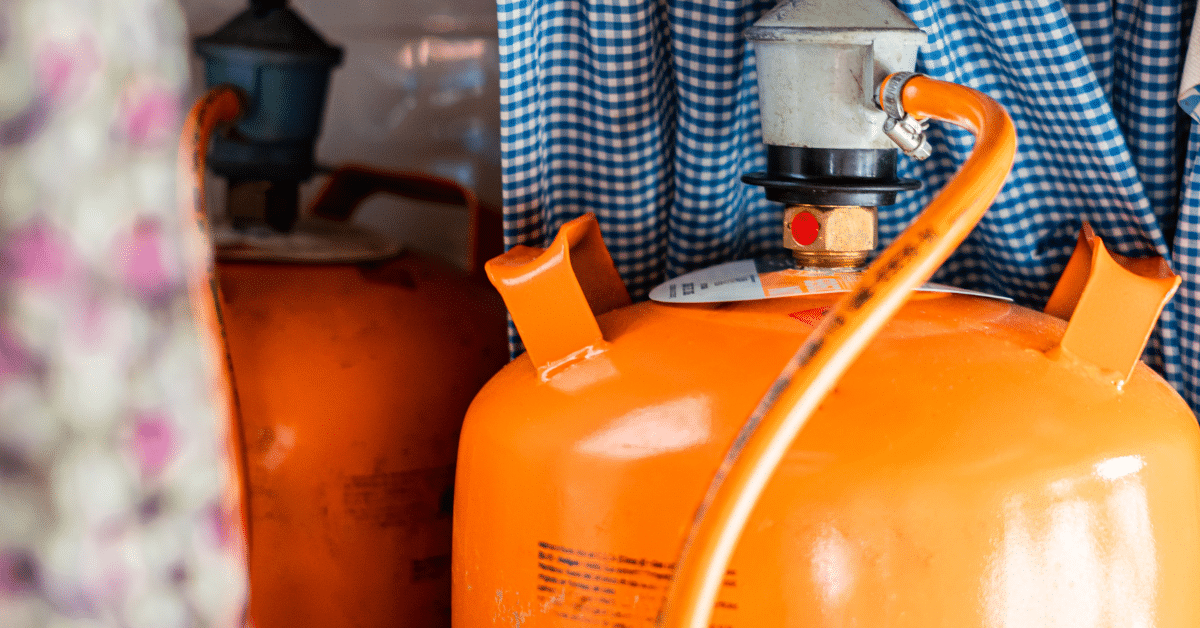
For homeowners exploring different fuel options, propane can seem unfamiliar at first. Many people know it powers grills or outdoor heaters, but its role in residential living can be much broader. Propane energy can support heating, water heating, cooking, fireplaces, and outdoor features, depending on the appliances and systems already present in a home.
Understanding how propane works can help homeowners make more informed decisions about fuel delivery, household planning, and seasonal preparation. Propane is stored on the property and delivered by a supplier, which gives homeowners a dependable fuel source that can be used throughout the year.
What Is Propane?
Propane is a liquefied petroleum gas that is stored as a liquid under pressure. When released from its storage container, it changes into a gas that can be used by compatible appliances and heating equipment.
One of the reasons propane is useful for residential properties is that it can be stored directly at the home. This makes it different from utility-based energy sources that travel through a continuous network of lines. With propane, fuel is delivered to a storage tank and remains available until it is used.
Because propane is portable and storable, it can serve homes in rural and suburban areas that may not have access to natural gas service. It is also valued for its versatility, steady performance, and ability to support several household needs.
How Propane Reaches Your Home
Residential propane is delivered by truck to a tank located on the property. The fuel is transferred into the tank, where it is stored safely until needed. From there, propane travels through the home’s approved fuel system to compatible appliances.
For homeowners using propane energy, delivery planning is an important part of maintaining a reliable supply. The amount of propane a household uses can vary depending on the size of the home, the number of propane-powered appliances, seasonal temperatures, and everyday habits.
A propane supplier can help homeowners understand delivery options and plan for changing fuel needs throughout the year. Keeping track of tank levels and arranging delivery before the supply becomes too low can help prevent unnecessary interruptions.
Common Household Uses for Propane
Propane can support several areas of residential life. Some homes use it primarily for heating, while others use it for cooking, water heating, fireplaces, or outdoor features.
Common uses may include home heating equipment, water heaters, ranges, ovens, clothes dryers, fireplaces, generators, pool heaters, fire pits, and patio heaters. The exact uses depend on the systems and appliances installed at the property.
This flexibility is one reason many homeowners are interested in propane energy. Instead of being limited to one purpose, propane can support both essential household functions and features that add comfort or convenience.
Propane for Home Heating
Heating is one of the most familiar residential uses for propane. Propane heating systems can provide steady warmth during colder weather, making fuel planning especially important before fall and winter.
Homes that rely on propane for heat often use more fuel during periods of low temperatures. Larger homes, older homes, and properties with higher heating demands may also use propane more quickly than expected during severe weather.
Planning deliveries early can help homeowners feel better prepared for the heating season. Rather than waiting until temperatures fall sharply, checking fuel levels and arranging delivery in advance can support dependable home comfort.
Propane for Water Heating
Water heating is another common use for propane. Hot water is needed every day for showers, cleaning, laundry, and cooking, so water heating can represent a consistent part of a home’s fuel use.
A household’s water heating demand may depend on the number of residents, daily routines, appliance settings, and the amount of hot water used. Families with more occupants may naturally use more propane than smaller households.
When multiple household systems rely on propane energy, homeowners should consider total usage rather than focusing only on heating. This provides a clearer picture of how quickly the stored fuel may be consumed throughout the year.
Propane for Cooking
Many homeowners appreciate propane cooking because it provides responsive heat and direct temperature control. Propane ranges and ovens can be used throughout the year, even when heating needs are low.
Cooking usually consumes less propane than whole-home heating, but it still contributes to the overall fuel supply. Households that cook frequently or use multiple propane appliances should keep these everyday needs in mind when monitoring tank levels.
Propane cooking can also be part of outdoor entertaining. Grills, outdoor kitchens, and other approved features may use propane during spring and summer, giving homeowners reasons to consider delivery even outside the traditional heating season.
Propane Fireplaces and Outdoor Features
Propane fireplaces can provide warmth and ambiance without the need to store firewood. Indoor fireplaces may supplement comfort during cooler weather, while outdoor fireplaces and fire pits can extend the use of patios and gathering spaces.
Patio heaters, pool heaters, and other outdoor features may also rely on propane. These uses often increase during spring, summer, and early fall when homeowners spend more time outside.
Using propane energy for both indoor and outdoor living can make the household’s fuel demand more seasonal and varied. Homeowners may use less for heating in summer but more for grilling, outdoor cooking, or recreational features.
Understanding Propane Tanks
Propane tanks are available in different sizes to support different levels of residential use. A home using propane for several major systems may require a larger storage capacity than a home using it for only one appliance.
The appropriate tank size depends on factors such as the home’s fuel needs, available space, local requirements, and the equipment connected to the propane supply. Homeowners considering a change to propane should work with qualified professionals to understand the proper setup for their property.
Delaware Propane focuses on dependable residential propane delivery. Questions about appliance connections, system changes, or installation work should be directed to qualified service professionals who handle those specific needs.
Monitoring Your Fuel Supply
Learning to monitor the tank is an important part of using propane at home. Many tanks include a gauge that shows the approximate percentage of fuel remaining.
Because tanks are not filled completely to the top, the gauge should not be expected to read 100 percent after delivery. Propane needs room to expand as temperatures change, so residential tanks are generally filled to a safe operating level rather than their full physical capacity.
Homeowners should check the gauge regularly, particularly during periods of heavy use. Monitoring becomes especially important during cold weather, before travel, and when several appliances depend on the same propane supply.
Planning Propane Deliveries
There are different ways homeowners may manage propane delivery. Some prefer to monitor their tank and request fuel when it reaches a certain level. Others may use a delivery arrangement based on estimated household usage.
Whatever method is used, early planning helps support a dependable supply of propane energy. Waiting until a tank is nearly empty can create unnecessary stress, especially during busy heating periods or severe weather.
Households should also consider upcoming events that may increase fuel use. Cold forecasts, holiday gatherings, houseguests, increased cooking, or extended use of a fireplace can all affect how quickly propane is consumed.
How Seasonal Changes Affect Usage
Propane use often changes significantly from one season to another. Winter is usually the highest-demand period for homes that use propane heating. Summer usage may be lower, but households can still use propane for water heating, cooking, laundry, fireplaces, grills, and outdoor features.
Spring and summer can be good times to review fuel habits and prepare for the next heating season. Homeowners can check their current supply, think about whether their usage has changed, and arrange delivery before colder weather returns.
Seasonal planning is one of the simplest ways to manage propane energy more confidently. Understanding when your household uses the most fuel can help you avoid surprises and make better delivery decisions.
Benefits of Propane for Residential Use
Propane offers several qualities that make it appealing to homeowners. It is versatile, can be stored on the property, and supports a wide range of residential applications.
Homeowners may appreciate propane because it can:
- Support multiple household appliances and systems
- Provide dependable fuel stored directly at the property
- Serve homes beyond natural gas utility networks
- Power both indoor and outdoor features
- Offer steady performance during periods of high household demand
The value of propane depends on the needs of the individual home. A property using propane for several essential systems may view reliable delivery as an important part of everyday household planning.
Making the Switch to Propane
Homeowners considering propane should begin by identifying which household needs they want the fuel to support. Some may be interested in home heating, while others may want propane for cooking, water heating, or fireplaces.
Any equipment changes, system design, or installation work should be completed by qualified professionals. Once the appropriate systems are in place, a propane supplier can provide the fuel deliveries needed to keep the household supplied.
Summer can be a practical time to explore propane energy because homeowners can plan before the colder and busier heating season. Taking time to understand the process can make the transition feel more organized and manageable.
Choosing a Propane Delivery Company
A reliable propane delivery company should provide clear communication and dependable residential fuel delivery. Homeowners should feel comfortable asking about delivery options, service areas, payment arrangements, and how to request fuel.
Local knowledge is also valuable. A company familiar with the area understands regional weather patterns, seasonal demand, and the needs of residential propane users.
Delaware Propane provides residential propane delivery to help homeowners maintain the fuel supply their homes depend on. Establishing a relationship with a dependable local supplier can make year-round propane planning easier.
Practical Tips for New Propane Users
New propane users can build confidence by creating a few simple habits. Check the tank gauge regularly, learn which household systems use propane, and pay attention to seasonal changes in consumption.
Keep the area around the tank accessible for delivery, particularly after snow, storms, or landscaping work. Pets, gates, parked vehicles, and outdoor belongings should not block safe access to the delivery area.
It is also helpful to keep the propane supplier’s contact information readily available. Planning ahead and communicating early can help homeowners manage propane energy without waiting until the fuel level becomes urgent.
Propane Safety Awareness
Propane has a strong odor added to help people recognize a possible leak. Homeowners should become familiar with that odor and know to leave the area and contact appropriate emergency or propane professionals if they suspect a problem.
Do not attempt to repair propane equipment, connections, or appliances without proper qualifications. System concerns should always be handled by trained professionals.
Basic awareness, careful fuel monitoring, and proper professional support all contribute to a responsible household propane experience.
Building a Year-Round Propane Plan
A year-round propane plan considers more than winter heating. It accounts for every appliance and feature that draws from the household’s stored fuel supply.
During colder months, heating may be the main source of propane consumption. During warmer months, water heating, cooking, laundry, grilling, pool heating, or outdoor entertaining may continue to use fuel.
Reviewing these patterns can help homeowners estimate when deliveries may be needed. The goal is not to predict usage perfectly, but to stay aware and make arrangements before the tank becomes too low.
Dependable Delivery Supports Everyday Comfort
Propane may work quietly in the background, but it can support many important parts of daily life. Warm rooms, hot showers, cooked meals, fireplaces, and outdoor gatherings may all depend on the same stored fuel supply.
Reliable propane delivery helps ensure that supply remains available. For new users, understanding the relationship between household habits, tank levels, and seasonal demand is the key to managing propane energy successfully.
With a little planning, propane can become a dependable and familiar part of the home rather than something homeowners only think about during an emergency.
A Versatile Fuel
Propane is a versatile residential fuel that can support heating, water heating, cooking, fireplaces, and outdoor living. Because it is stored at the property and delivered as needed, homeowners have an active role in monitoring their supply and planning ahead.
For beginners, the most important steps are learning which systems use propane, checking the tank gauge, understanding seasonal consumption, and arranging delivery before the fuel level becomes too low.
Delaware Propane provides dependable residential delivery for homeowners who rely on propane energy throughout the year. Thoughtful planning and a trusted local delivery company can help keep the home comfortable, prepared, and supplied in every season.
Stay up to date with the latest at Delaware Propane by following us on Facebook.